


What color is umber
There is no single, clear definition of umber. It depends entirely on whether we are referring to the raw pigment of that name, the specific color used in fine art, or the wide range of brown tones encompassed by this name in other disciplines, such as miniature painting and dioramas in scale modeling. The original material is a dark brown iron oxide pigment that has been used for painting since the dawn of time. In many artistic painting disciplines, it refers to a set of brown tones used to create deep shadows and transitions, and in scale modeling, it is a concept closely related to the shading of miniatures and models.
One theory regarding the etymological origin of the term "umber" suggests it derives from the Medieval Latin "umbra," meaning "shadow." This reflects its original historical use: creating dark, shaded tones. It is also why there is no single, definitive color that is exclusively identified with this term. In general, it can be used to refer to a wide variety of shades used for shading across different contexts. Below, we will explore what the color umber represents in these different fields.
The color umber as a pigment
Originally, it is a natural iron oxide pigment whose distinctive hue is due to the presence of iron and manganese oxides in its chemical composition. The exact proportion of these elements in the pigment determines the color's final tone. That is why it is not possible to speak of just a single tone when explaining what the color umber actually is. In its purest form, commonly known as raw umber, it is an earthy, opaque brown. However, when subjected to a heating process (calcining, which creates burnt umber), its color intensifies and becomes significantly more reddish—similar to burnt sienna, but darker and less vibrant.
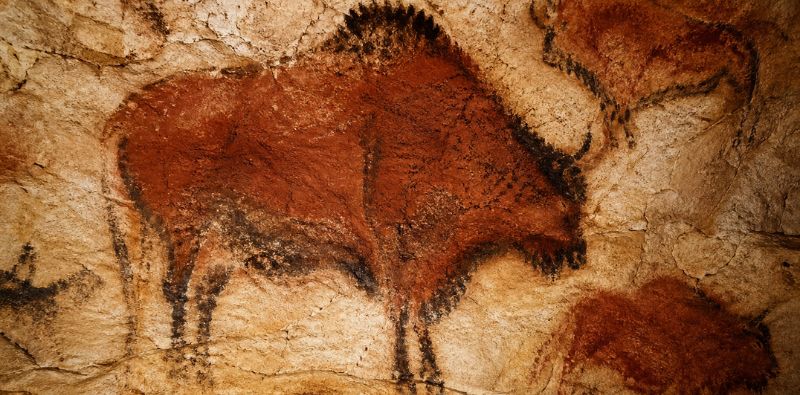
Its primary chemical composition is hydrated iron oxide (Fe₂O₃·H₂O) with traces of manganese oxide (MnO₂). The presence of manganese is crucial for its tinting strength and overall stability. Iron oxide pigments, in general, are widely known for their durability, lightfastness, and low cost, all of which have heavily contributed to their widespread use throughout history. Earth pigments such as this have been used by humans since prehistoric times, ranking among the earliest materials ever employed in cave art.
The calcination process alters the chemical structure of the iron oxide, transforming hydrated iron oxide into anhydrous iron oxide. The exact temperature and duration of the process directly influence the resulting hue: more intense heating produces a deeper, richer reddish color. This versatility in tone is one of the main reasons why umber has been a core staple in many artists' palettes for so long. For this reason, when discussing umber pigments, a clear distinction can always be made between the raw and calcined varieties.
The color umber in fine art painting
In the world of artistic painting, the answer to the question "What is the color umber?" is somewhat complex since, depending on the historical period, its meaning can change considerably. The appearance of this color dates back practically to the very first paintings created by humans: paleolithic cave paintings. Iron oxide pigments on stone walls have been found at archaeological sites all around the world, such as the Altamira caves in Spain or Lascaux in France. There, ochre colors and earth pigments similar to umber were used to depict animals and scenes of daily life that almost everyone has seen at least once in a textbook.
Later, in ancient Egypt and Mesopotamia, earth pigments were widely used in murals, ceramics, and even early cosmetics. The Romans also highly valued these iron oxide pigments for their durable frescoes.
During the Renaissance, it became an essential pigment for master painters. Renowned artists such as Leonardo da Vinci, Michelangelo, and Raphael used it to create striking realism, volume, and depth in their works. Its natural ability to blend well with oils and binders, along with its relative opacity, made it absolutely ideal for underpainting, glazing techniques, and for shaping human forms.
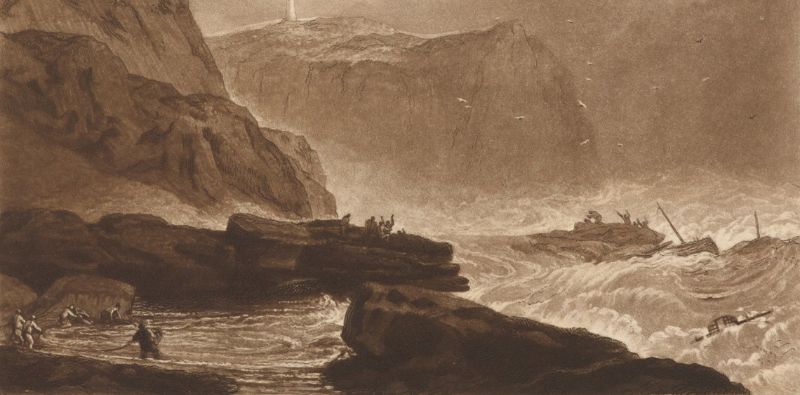
With the advent of the Industrial Revolution, pigment production became far more efficient and standardized. Umber, along with other iron oxide pigments, was manufactured on a large scale, making it readily accessible for a wider range of commercial applications. Modern chemistry eventually produced purer and more consistent synthetic pigments. Throughout the 20th century and up to the present day, it has remained a core staple among the choices of all types of canvas painters, as it is a widely used resource for mapping out darker areas.
The color umber in scale modeling
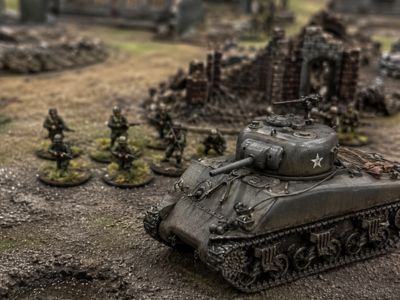
As previously mentioned, defining what the color umber is in scale modeling is not a matter of singling out a single paint bottle as representative of this concept, since in this hobby field it refers to a wide variety of hues—primarily rich browns and dark tones—used specifically for shading.
In both this hobby context and that of artistic painting on canvas, the main purpose of umber is to create natural shadows and smooth gradients without the need for pure black, which often muddies and dulls the surrounding paint, making it look less realistic. Although the term originally referred strictly to these earth-brown shades, it can now be used metaphorically to describe almost any dark shade used for deep shadows other than black.
To achieve these shadows, the main base color was traditionally darkened by simply adding black, but with the evolution of scale modeling and the massive expansion of the hobby color palette, painters began to use colors that enriched the shading and muddied the design far less than black, adding vibrancy and additional tonal nuances.
For this reason, in scale modeling, it is incredibly common for shadows to be created using complementary colors or adjacent tones within the same color family (following classic color theory). A green uniform can be beautifully shaded with deep reddish colors, dark violets, or even mixtures close to maroon. Similarly, blues can be darkened with muted orange tones, while yellows can be shaded with violet hues, deep ochres, or toasted browns. The ultimate goal is not merely to darken the surface, but to create contrast and depth. As a result, the concept of umber has expanded considerably within miniature painting.
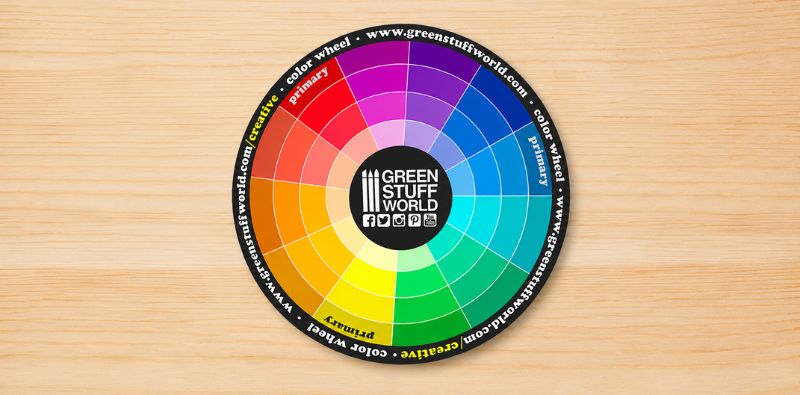
Even so, many hobbyists still use this term to refer generically to a traditional, reliable brown. What matters most is not so much the exact hex code of the shade as the functional role it plays within your palette. This is why a wide variety of hobby paints containing the word "umber" in their name can be found in this field.
This design philosophy is particularly evident in display-level artistic painting styles, where shadows can be highly saturated. In fantasy, science fiction, or box-art miniatures, it is common to find bluish, purple, greenish, or reddish shadows that add immense atmosphere and drama to the piece. Although these colors are visually distinct from historical earth pigments, they still serve the exact same function: to enhance volume and separate the lit areas from the darker ones.
Model paint manufacturers reflect this diversity in their catalogs. It is common to find references labeled Raw Umber, Burnt Umber, Umber Shade, or similar names that vary significantly between brands. Some are very close to the classic earthy tones used in fine arts, while others incorporate specific reddish, yellowish, or grayish undertones tailored to distinct shading needs. For this reason, we emphasize that the name "umber" should not be interpreted as an exact reference to a single color code, but rather as a general indication of its role within your painting process.
In practice, the colors associated with the original umber remain particularly useful for depicting natural materials such as wood, leather, earth, clay, or aged fabrics. They are also a fundamental tool for creating filters, washes, and realistic weathering effects on vehicles, scale buildings, and gaming scenery.
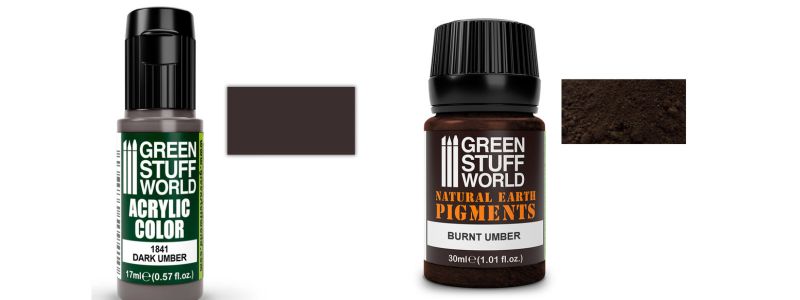
At Green Stuff World, products with this name maintain a direct connection to those original shades since they offer various rich browns:
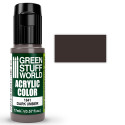
• Dark Umber Acrylic Paint: This paint is a very dark, cool brown with a slight grayish undertone used for deep shadows, aged wood, and custom mixtures to darken other colors.
• Burnt Umber Pigment: In this case, these are dry pigments featuring a warm, dark brown tone, meaning they have a greater presence of reddish and earthy tones. It is incredibly useful for replicating soil, mud, natural wood, and creating wood washes, among many other modeling applications.
Although these colors can be easily purchased at specialty model-making stores, many advanced artists still prefer to mix their own custom umber to obtain exactly the precise shade that fits the temperature of the palette they are currently using.
What colors make burnt umber?
The color burnt umber typically refers to a dark, warm, and slightly reddish brown. Unlike raw umber, which is usually more muted, earthy, and leans somewhat greenish-yellow, burnt umber has much more visual depth and warmth due to the way it is obtained through firing, which intensifies its rich reddish-brown undertone.
To create it by mixing your own paints, the simplest way is to start with a medium brown base and darken it with small amounts of black or a deep dark blue. Then, you can add a small touch of red to give it that characteristic warm hue. The key is to not overdo it with the black paint, because it can quickly make the mixture too muddy and turn it into a flat, lifeless brown, completely lacking the natural richness of authentic burnt umber.
Another quite practical option in miniature painting is to mix red, yellow, and blue until you achieve a balanced base brown, as beautifully explained in our article "How to make skin color with acrylic paint" and then adjust the final result from there. If the color turns out a bit too orange, you can correct it with a small pinch of blue.
If it turns out a little too cool or grayish, you can easily restore the warmth by adding a little more red and yellow (or pre-mixed orange directly). To bring it closer to a true, toasty brown, it is usually best to let the red pigment slightly dominate over the yellow.
Therefore, nowadays, when people ask what the color umber is, they aren't referring to a single, mathematically locked-in shade. Rather, it is an invaluable concept inherited from traditional painting that encompasses a wide range of colors intended to create realistic shadows, depth, and smooth transitions between light and dark areas. The natural iron oxide pigment remains the proud origin of its name, but its practical meaning has expanded to encompass a large portion of the shadow tones used in modern painting, both in miniatures and scale models as well as in other artistic disciplines.
Share this content