


Reference: 8435646527284ES
Brand: Green Stuff World
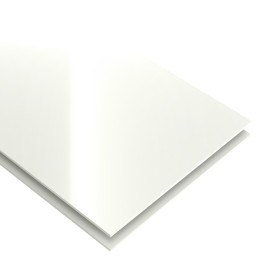
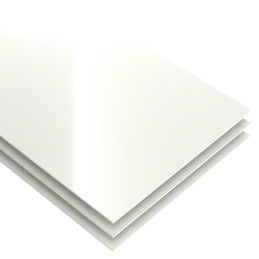
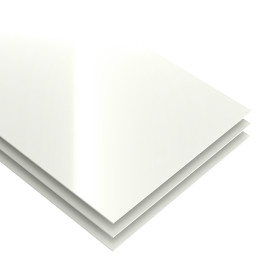
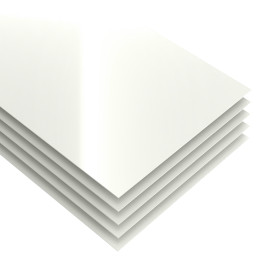
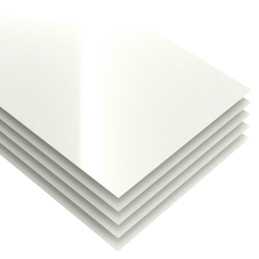
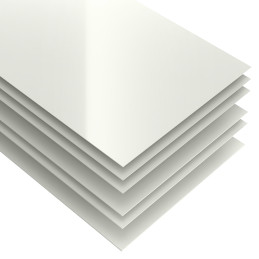
Styrene sheets - Variety pack x7
Review(s): 0
Styrene sheets | Styrene plastic for modeling (HIPS)
Price €9.86 Regular price €10.95
In stock

There are 6 products.
Reference: 8435646527284ES
Brand: Green Stuff World
Styrene sheets | Styrene plastic for modeling (HIPS)
Reference: 8435646527277ES
Brand: Green Stuff World
Styrene sheets | Styrene plastic for modeling (HIPS)
Reference: 8435646527260ES
Brand: Green Stuff World
Styrene sheets | Styrene plastic for modeling (HIPS)
Reference: 8435646527253ES
Brand: Green Stuff World
Styrene sheets | Styrene plastic for modeling (HIPS)
Reference: 8435646527246ES
Brand: Green Stuff World
Styrene sheets | Styrene plastic for modeling (HIPS)
Reference: 8435646527239ES
Brand: Green Stuff World
Styrene sheets | Styrene plastic for modeling (HIPS)
Styrene plastic, commonly known as polystyrene, is a versatile and widely used thermoplastic polymer. It is derived from the monomer styrene, a liquid hydrocarbon that is commercially manufactured from petroleum. Styrene can exist in different forms, including solid, foamed, and film, each serving various industrial and consumer applications. In its solid form, it is typically clear, and rigid, and can be easily molded into a variety of shapes, making it a popular material in manufacturing.
Its versatility leads to its use in a wide variety of industries:
Cutting high-impact polystyrene requires precision and the right tools to avoid cracking or splintering. Here are some steps and tips for effectively cutting HIPS:
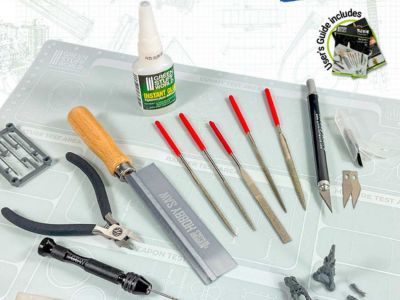
Tools Needed:
Preparation: Mark the cutting line on the styrene sheet using a pencil and a ruler. Ensure the line is clear and straight.
Cutting Process of styrene plastic:
Finishing: After cutting, use sandpaper or a file to smooth any rough edges. This is especially important for model making to ensure a clean finish.
Yes, you can paint high-impact polystyrene (HIPS). To achieve a smooth and durable finish, proper preparation is essential. Start by cleaning the surface to remove any dust, grease, or fingerprints using a mild detergent or isopropyl alcohol, and allow it to dry completely. Lightly sanding the surface with fine-grit sandpaper (around 800 grit) will help create a slightly rough texture, which improves paint adhesion.
Applying a primer designed specifically for plastics is crucial as it helps the paint adhere better to the material and provides a solid base for color application. Both acrylic and enamel paints work well on HIPS. For best results, apply multiple thin coats of paint, allowing each layer to dry thoroughly before adding the next. To finish, you can apply a clear sealant to protect the paint and add a desired finish, whether glossy or matte.
High-impact polystyrene, or styrene plastic, is recyclable, but the process and feasibility depend on local recycling facilities and policies. The recycling process involves collecting HIPS products, sorting and cleaning them to remove contaminants, and then shredding and grinding the material into smaller pieces. These pieces are melted and reformed into pellets, which can then be used to manufacture new products.
However, there are challenges in recycling HIPS, such as contamination with food waste or other materials, which makes recycling more difficult. Additionally, while polystyrene is lightweight, it occupies a lot of space, making transportation and processing less economical. The demand for recycled polystyrene can also fluctuate, affecting the viability of recycling programs.
Therefore, while HIPS is technically recyclable, the effectiveness of recycling efforts varies, and it's important to check local recycling guidelines. Reducing the use of single-use polystyrene products and opting for more sustainable alternatives can also help mitigate environmental impacts.