


- Reduced price
- New product
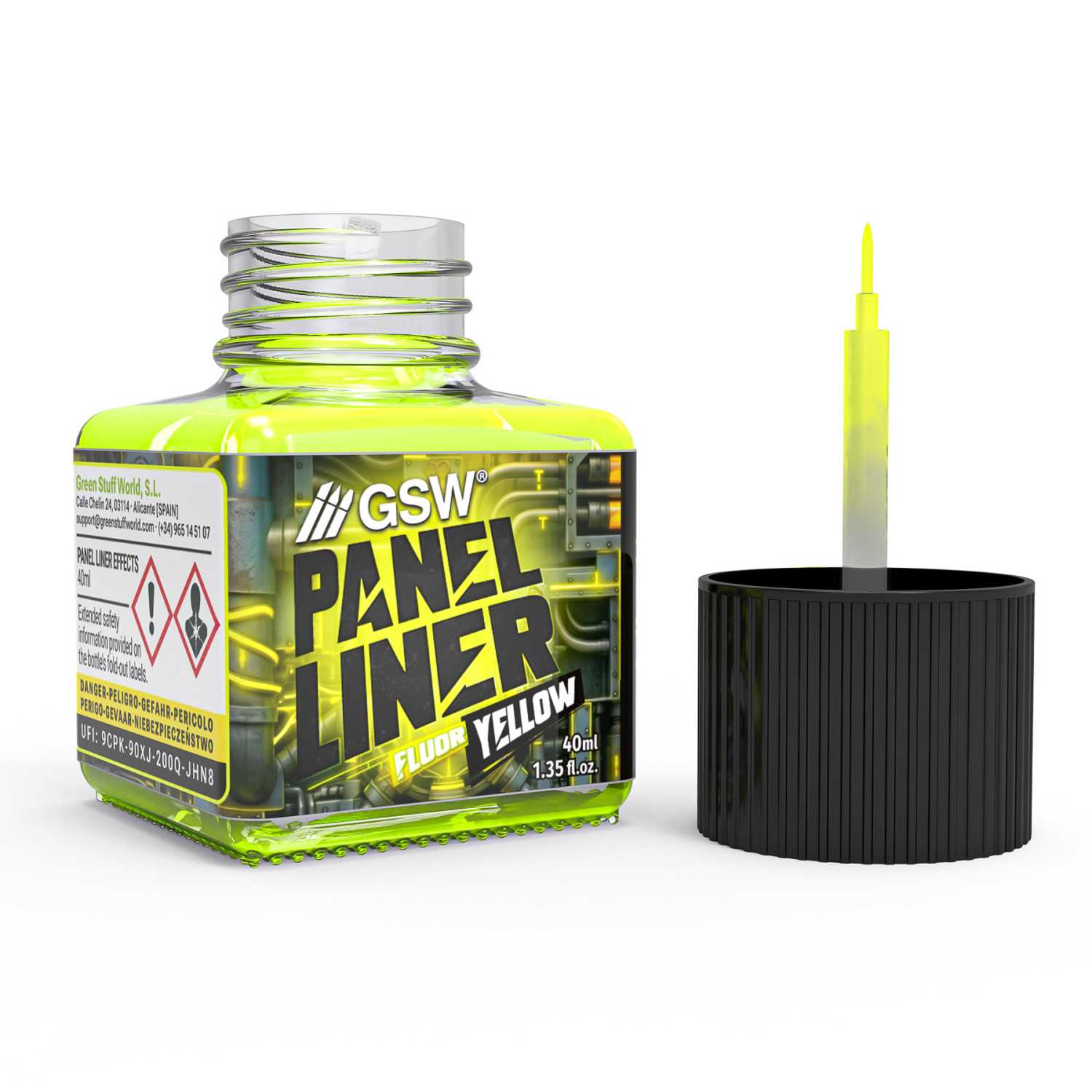

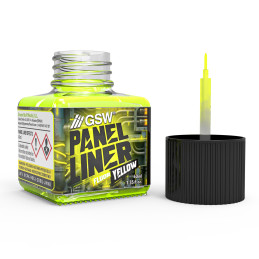
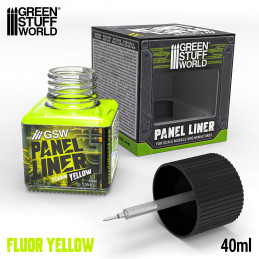
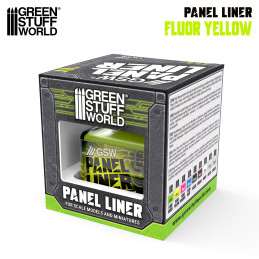
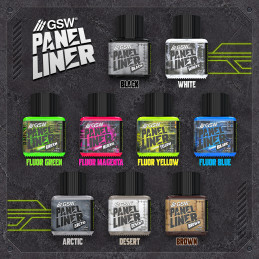
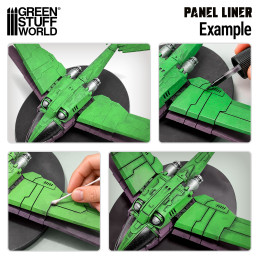
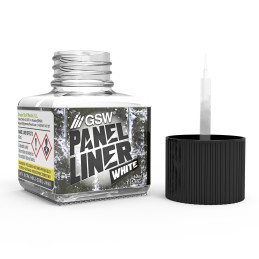
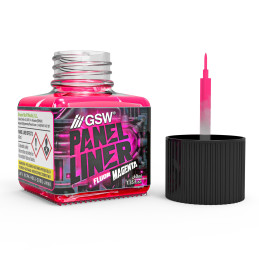
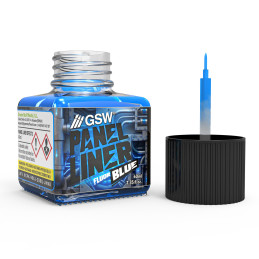
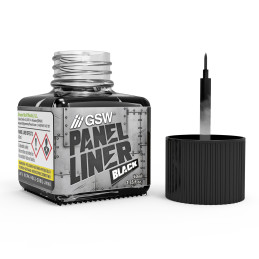
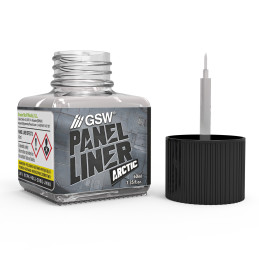
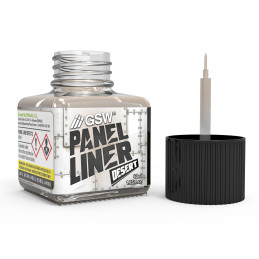
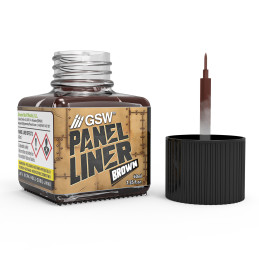
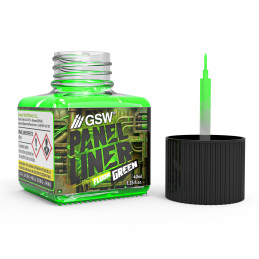
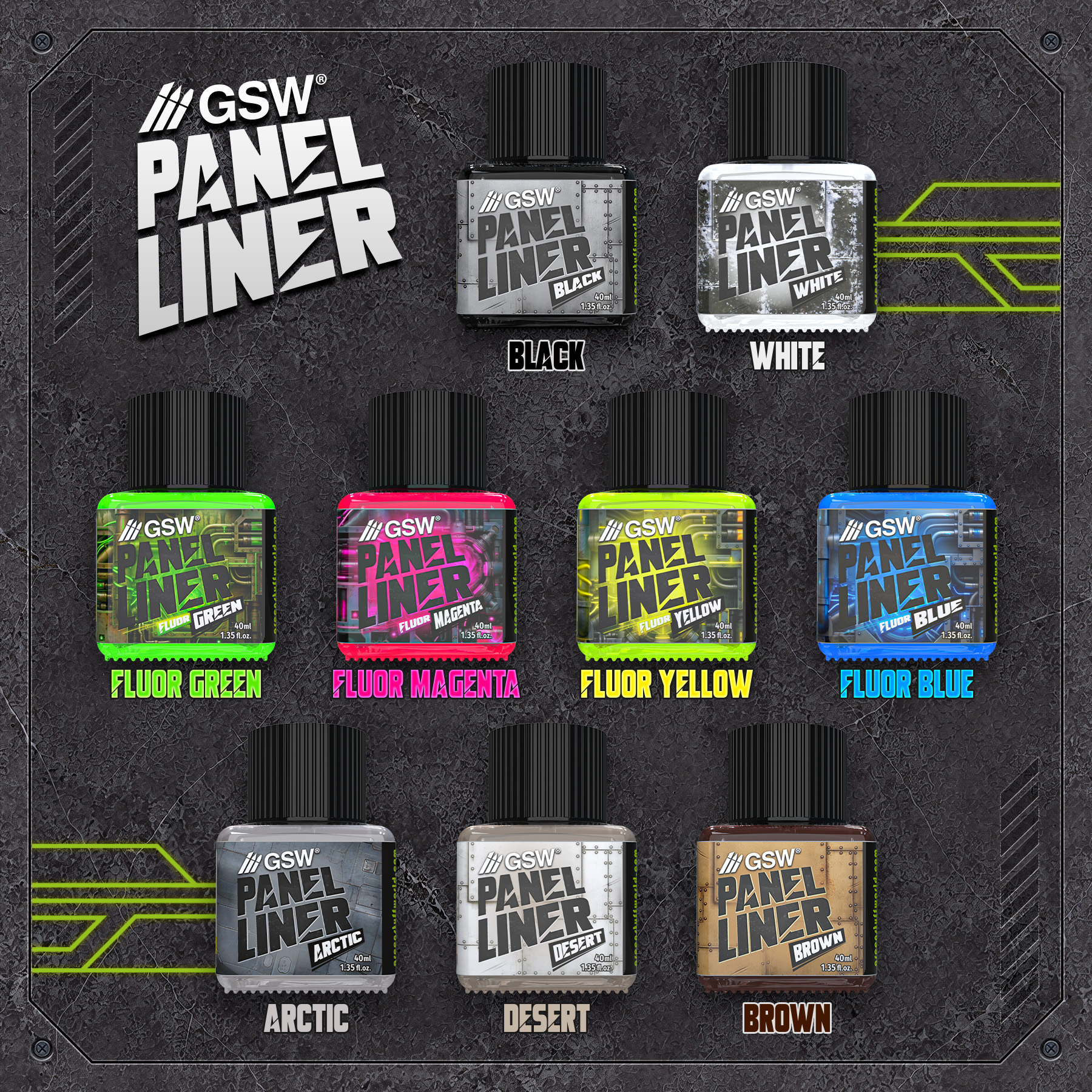
Fluor Panel Liner 40ml | GSW Paneliner
Green Stuff World Panel Liner in its fluorescent version is a high-flow paint for highlighting panel lines, engraved features, and details on scale models and miniatures, creating energy, magic, and lighting effects. Unlike panel liners used for shading, its purpose is to introduce vivid color accents and turn selected details into focal points on vehicles, robots, weapons, and terrain.
Use it to represent glowing runes, grooves in power swords, plasma weapon coils, circuitry, reactors, and energy conduits. It also offers possibilities for customizing magical symbols, portals, crystals, and small reservoirs of fictional substances. Choose the areas you want to emphasize rather than applying the same effect to every recess on the miniature.
For a particularly vibrant result, we recommend applying a white panel liner to the grooves or details before adding the fluorescent color. The white base helps the fluorescent paint stand out and prevents a dark background from dulling its intensity. Keep the white confined to the selected areas and preserve the original color around them: this creates strong contrast without repainting the entire part.
Allow the white base to dry and cure completely before applying the fluorescent paint. Check that the new application and subsequent cleanup do not reactivate the underlying layer; where necessary, apply a compatible protective varnish between the two. Work with small amounts and build up the intensity through controlled applications, without filling the engraved details with paint buildup.
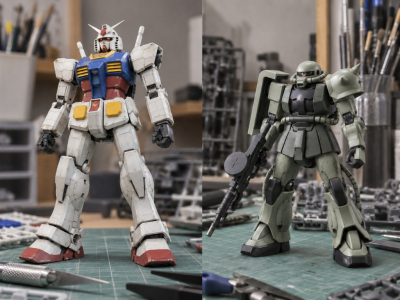
For panel lining on Gunpla and other mecha kits, try the effect in armor channels, sensors, weapons, thruster backpacks, and reactor details. On robots with black, gray, metallic, or dark color schemes, combine the contrast of the surrounding finish with a localized white base beneath the fluorescent paint. On lighter builds, reserve the color for selected technological features and use conventional panel lining elsewhere.
On science-fiction tanks, aircraft, and vehicles, use it to suggest power systems, instruments, emitters, experimental weaponry, and illuminated components. You can also incorporate it into vehicles with urban, desert, or custom military camouflage: in these cases, the fluorescent accents represent technology or lighting, not the shadows within the camouflage. On historical models, limit its use to details appropriate to the vehicle being represented.
Another application is painting OSL (Object Source Lighting) effects, which simulate light emitted by an element on the miniature itself. Apply the panel liner over the white base to establish the light source, then complete the effect with colored reflections on nearby surfaces. Keep the brightest points at the source and reduce the intensity outward. A rune, weapon, or reactor will look more convincing if its light falls selectively on the surroundings rather than creating an even halo everywhere.
Fluorescent pigments respond to suitable illumination and can appear particularly intense under ultraviolet light or blacklight. They should not be confused with phosphorescent pigments: fluorescence does not produce a lasting glow in complete darkness after the light source is removed.
Shake the bottle thoroughly before every use, especially if it has been sitting unused for some time. Pigments can settle and accumulate at the bottom during storage, so it is important to mix them back in until the color is uniform. Settling depends on the characteristics of the particles and the medium that keeps them suspended, not just their weight. If you notice separation, continue mixing before loading your brush.
Its white spirit-based formulation allows the paint to flow through engraved details by capillary action. Touch the tip of a fine brush, loaded with a small amount of paint, to a recess and let the liner flow along it. Work in sections and avoid flooding the part.
Satin or gloss surfaces help the paint flow and spread more easily, while also making excess paint easier to remove with a cotton swab lightly dampened with white spirit. The extended working time lets you remove stray marks, refine lines, or soften transitions with a brush lightly dampened with white spirit, provided the underlying layers are compatible and fully cured.
Once the paint is dry and fully cured, you can protect the finish with a compatible acrylic varnish. Test the final coating first, especially if you plan to display the miniature under blacklight, as some varnishes containing UV filters can reduce the fluorescent response. Avoid allowing paint or cleaner to pool in joints, press-fit connections, or parts under mechanical stress. Before applying it to bare plastic, ABS, or an unfamiliar finish, test compatibility on a spare piece.
Contains: 40ml

No customer reviews for the moment.
Reference: 8436574507409ES
Brand: Green Stuff World
Hobby engraver for fine line etching.
Reference: 8435646540344ES
Brand: Green Stuff World
Square bottle Holder compatible with Tamiya extra thin cement bottles and cement glues
Reference: 8435646541150ES
Brand: Green Stuff World
Panel Liner 40ml | GSW Paneliner
Reference: 8435646541105ES
Brand: Green Stuff World
Fluor Panel Liner 40ml | GSW Paneliner
Reference: 8435646541112ES
Brand: Green Stuff World
Fluor Panel Liner 40ml | GSW Paneliner
Reference: 8435646541150ES
Brand: Green Stuff World
Panel Liner 40ml | GSW Paneliner
Reference: 8435646541129ES
Brand: Green Stuff World
Panel Liner 40ml | GSW Paneliner
Reference: 8435646541143ES
Brand: Green Stuff World
Panel Liner 40ml | GSW Paneliner
Reference: 8435646541167ES
Brand: Green Stuff World
Panel Liner 40ml | GSW Paneliner
Reference: 8435646541136ES
Brand: Green Stuff World
Panel Liner 40ml | GSW Paneliner
Reference: 8435646541082ES
Brand: Green Stuff World
Fluor Panel Liner 40ml | GSW Paneliner
Fluor Panel Liner 40ml | GSW Paneliner